• Contact info@abtriva.com for inquiries and orders.
  • Chinese (Simplified)

  • English

  • German

  • Korean

  • Spanish

United States (English / $ USD)

Rabbit anti-Human MX1 Polyclonal Antibody

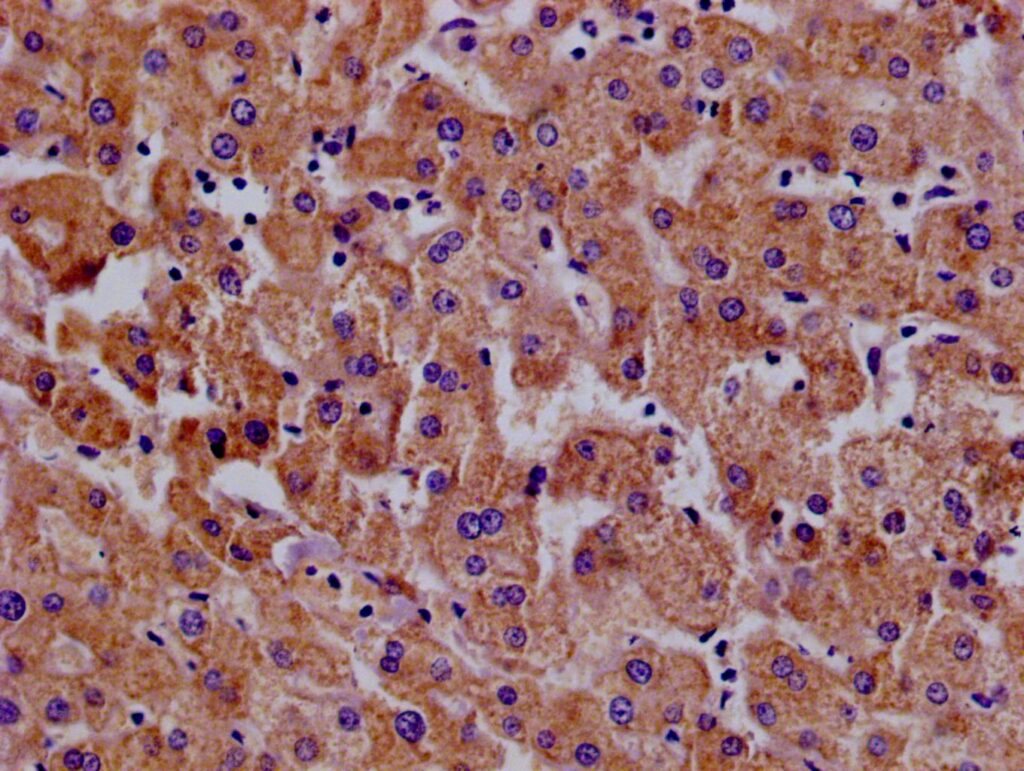
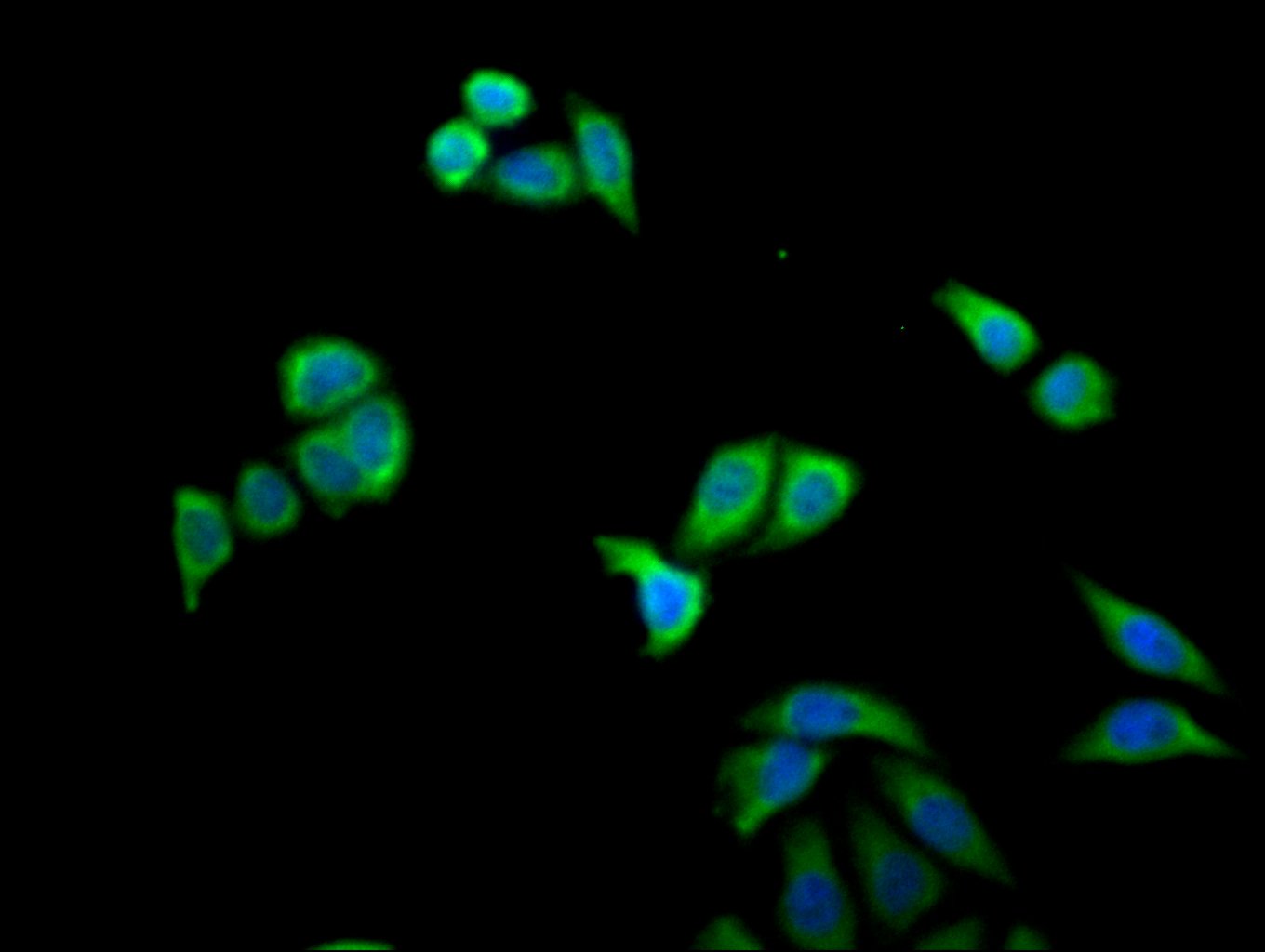
The antibody against MX1 was raised in rabbit using the Recombinant Human Interferon-induced GTP-binding protein Mx1 protein (7-172AA) as the immunogen. This antibody exists as a non-conjugated isotype IgG, purified by protein G with a purity greater than 95%. This antibody has been validated on ELISA, WB, IHC, IF, IP.

ADC-13962A

The antibody against MX1 was raised in rabbit using the Recombinant Human Interferon-induced GTP-binding protein Mx1 protein (7-172AA) as the immunogen. This antibody exists as a non-conjugated isotype IgG, purified by protein G with a purity greater than 95%. This antibody has been validated on ELISA, WB, IHC, IF, IP.

$299.00

Number
Order Exclusive Products Now

Request a Quote
High Purity LevelsPrecision and ReliabilityCustomization Options

Specifications


Cat.No ADC-13962A ClonalityPolyclonal
Host SpeciesRabbitTarget NameMX1
FormLiquidSpecies ReactivityHuman, Mouse
IsotypeIgGStorage Buffer0.01M PBS, 0.03% Proclin 300; Constituents: 50% Glycerol, PH 7.4
Purification Method>95%, Protein G purifiedConjugateNon-conjugated
ApplicationELISA, IF, IHC, WB, IPStorageUpon receipt

Immunogen Information


Immunogen DescriptionRecombinant Human Interferon-induced GTP-binding protein Mx1 protein (7-172AA)Target SpeciesHuman
Immunogen SequenceComplete sequences for the immunogen, target protein, and peptides are available upon request.Uniprot IDP20591
Background Information
  • Uniprot Id

    P20591

  • Target Species

    Human

  • Target Name

    MX1

  • Target Full Name

    Interferon-induced GTP-binding protein Mx1

  • Target Function

    Interferon-induced dynamin-like GTPase with antiviral activity against a wide range of RNA viruses and some DNA viruses. Its target viruses include negative-stranded RNA viruses and HBV through binding and inactivation of their ribonucleocapsid. May also antagonize reoviridae and asfarviridae replication. Inhibits thogoto virus (THOV) replication by preventing the nuclear import of viral nucleocapsids. Inhibits La Crosse virus (LACV) replication by sequestering viral nucleoprotein in perinuclear complexes, preventing genome amplification, budding, and egress. Inhibits influenza A virus (IAV) replication by decreasing or delaying NP synthesis and by blocking endocytic traffic of incoming virus particles. Enhances ER stress-mediated cell death after influenza virus infection. May regulate the calcium channel activity of TRPCs.

  • Target Subcellular Location

    Cytoplasm. Endoplasmic reticulum membrane; Peripheral membrane protein; Cytoplasmic side. Cytoplasm, perinuclear region.; [Isoform 2]: Cytoplasm. Nucleus.

  • Target Protein Families

    TRAFAC class dynamin-like GTPase superfamily, Dynamin/Fzo/YdjA family

  • Target Synonyms

    Human interferon regulated resistance GTP binding protein MXA; IFI 78; IFI 78K; IFI-78K; IFI78; IFI78K; Interferon induced GTP binding protein Mx1 ; Interferon induced protein p78; Interferon inducible protein p78; Interferon regulated resistance GTP binding protein; Interferon regulated resistance GTP binding protein MxA; Interferon-induced GTP-binding protein Mx1; Interferon-induced protein p78; Interferon-regulated resistance GTP-binding protein MxA; MX 1; MX; MX dynamin-like GTPase 1; MX1; MX1_HUMAN; MxA; Myxoma resistance protein 1; Myxovirus (influenza virus) resistance 1 interferon inducible; Myxovirus (influenza virus) resistance 1 interferon inducible protein p78; Myxovirus (influenza) resistance 1 homolog of murine; Myxovirus resistance 1; mouse; homolog of; Myxovirus resistance protein 1; N-terminally processed

  • Target Background

    This gene encodes a guanosine triphosphate (GTP)-metabolizing protein that participates in the cellular antiviral response. The encoded protein is induced by type I and type II interferons and antagonizes the replication process of several different RNA and DNA viruses. There is a related gene located adjacent to this gene on chromosome 21, and there are multiple pseudogenes located in a cluster on chromosome 4. Alternative splicing results in multiple transcript variants.

Inquire Rabbit anti-Human MX1 Polyclonal Antibody Now


AbTriva respects your privacy and protects your personal data in accordance with AbTriva. For more information, please see our data protection statement. *

Notification