• Contact info@abtriva.com for inquiries and orders.
  • Chinese (Simplified)

  • English

  • German

  • Korean

  • Spanish

United States (English / $ USD)

Rabbit anti-Human NPSR1 Polyclonal Antibody

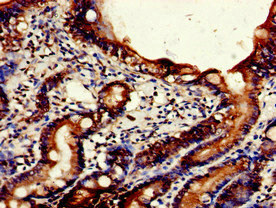
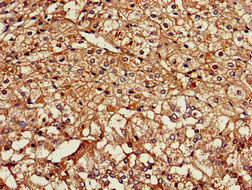
The antibody against NPSR1 was raised in rabbit using the Recombinant Human Neuropeptide S receptor protein (1-52AA) as the immunogen. This antibody exists as a non-conjugated isotype IgG, purified by protein G with a purity greater than 95%. This antibody has been validated on ELISA, WB, IHC.

ADC-10336A

The antibody against NPSR1 was raised in rabbit using the Recombinant Human Neuropeptide S receptor protein (1-52AA) as the immunogen. This antibody exists as a non-conjugated isotype IgG, purified by protein G with a purity greater than 95%. This antibody has been validated on ELISA, WB, IHC.

$299.00

Number
Order Exclusive Products Now

Request a Quote
High Purity LevelsPrecision and ReliabilityCustomization Options

Specifications


Cat.No ADC-10336A ClonalityPolyclonal
Host SpeciesRabbitTarget NameNPSR1
Target SynonymsNPSR1; GPR154; GPRA; PGR14; Neuropeptide S receptor; G-protein coupled receptor 154; G-protein coupled receptor PGR14; G-protein coupled receptor for asthma susceptibilityFormLiquid
Species ReactivityHuman, Mouse, RatIsotypeIgG
Storage Buffer0.01M PBS, 0.03% Proclin 300; Constituents: 50% Glycerol, PH 7.4Purification Method>95%, Protein G purified
ConjugateNon-conjugatedApplicationELISA, IHC, WB
StorageUpon receipt

Immunogen Information


Immunogen DescriptionRecombinant Human Neuropeptide S receptor protein (1-52AA)Target SpeciesHuman
Immunogen SequenceComplete sequences for the immunogen, target protein, and peptides are available upon request.Uniprot IDQ6W5P4
Background Information
  • Uniprot Id

    Q6W5P4

  • Target Species

    Human

  • Target Name

    NPSR1

  • Target Full Name

    Neuropeptide S receptor

  • Target Function

    G-protein coupled receptor for neuropeptide S (NPS). Promotes mobilization of intracellular Ca(2+) stores. Inhibits cell growth in response to NPS binding. Involved in pathogenesis of asthma and other IgE-mediated diseases.

  • Target Involvement

    Asthma-related traits 2 (ASRT2)

  • Target Subcellular Location

    [Isoform 1]: Cell membrane; Multi-pass membrane protein.; [Isoform 3]: Cell membrane; Multi-pass membrane protein.; [Isoform 4]: Cell membrane; Multi-pass membrane protein.; [Isoform 2]: Cytoplasm.; [Isoform 5]: Cytoplasm.; [Isoform 6]: Cytoplasm.; [Isoform 7]: Cytoplasm.; [Isoform 9]: Cytoplasm.

  • Target Protein Families

    G-protein coupled receptor 1 family, Vasopressin/oxytocin receptor subfamily

  • Target Tissue Specificity

    Isoform 4 is ubiquitous; it is detected in glandular epithelia of bronchus, stomach, small intestine, colon, uterus, esophagus, spleen, kidney, pancreas, prostate and breast. Isoform 1 is detected in uterus, colon and prostate, and in the smooth muscle ce

  • Target Synonyms

    NPSR1; GPR154; GPRA; PGR14; Neuropeptide S receptor; G-protein coupled receptor 154; G-protein coupled receptor PGR14; G-protein coupled receptor for asthma susceptibility

  • Target Background

    This gene encodes a member of the vasopressin/oxytocin subfamily of G protein-coupled receptors. The encoded membrane protein acts as a receptor for neuropeptide S and affects a variety of cellular processes through its signaling. Increased expression of this gene in ciliated cells of the respiratory epithelium and in bronchial smooth muscle cells is associated with asthma. Polymorphisms in this gene have also been associated with asthma susceptibility, panic disorders, inflammatory bowel disease, and rheumatoid arthritis. Alternative splicing results in multiple transcript variants.

Inquire Rabbit anti-Human NPSR1 Polyclonal Antibody Now


AbTriva respects your privacy and protects your personal data in accordance with AbTriva. For more information, please see our data protection statement. *

Notification