• Contact info@abtriva.com for inquiries and orders.
  • Chinese (Simplified)

  • English

  • German

  • Korean

  • Spanish

United States (English / $ USD)

Rabbit anti-Human PAM Polyclonal Antibody

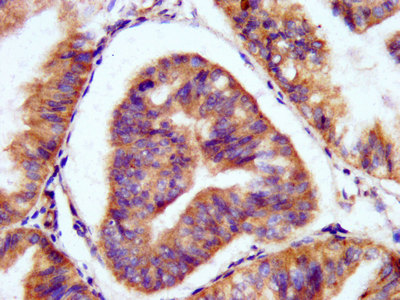
The antibody against PAM was raised in rabbit using the Recombinant Human Peptidyl-glycine alpha-amidating monooxygenase protein (338-497AA) as the immunogen. This antibody exists as a non-conjugated isotype IgG, purified by protein G with a purity greater than 95%. This antibody has been validated on ELISA, WB, IHC, IF.

ADC-06824A

The antibody against PAM was raised in rabbit using the Recombinant Human Peptidyl-glycine alpha-amidating monooxygenase protein (338-497AA) as the immunogen. This antibody exists as a non-conjugated isotype IgG, purified by protein G with a purity greater than 95%. This antibody has been validated on ELISA, WB, IHC, IF.

$299.00

Number
Order Exclusive Products Now

Request a Quote
High Purity LevelsPrecision and ReliabilityCustomization Options

Specifications


Cat.No ADC-06824A ClonalityPolyclonal
Host SpeciesRabbitTarget NamePAM
FormLiquidSpecies ReactivityHuman
IsotypeIgGStorage Buffer0.01M PBS, 0.03% Proclin 300; Constituents: 50% Glycerol, PH 7.4
Purification Method>95%, Protein G purifiedConjugateNon-conjugated
ApplicationELISA, IF, IHC, WBStorageUpon receipt

Immunogen Information


Immunogen DescriptionRecombinant Human Peptidyl-glycine alpha-amidating monooxygenase protein (338-497AA)Target SpeciesHuman
Immunogen SequenceComplete sequences for the immunogen, target protein, and peptides are available upon request.Uniprot IDP19021
Background Information
  • Uniprot Id

    P19021

  • Target Species

    Human

  • Target Name

    PAM

  • Target Full Name

    Peptidyl-glycine alpha-amidating monooxygenase

  • Target Function

    Bifunctional enzyme that catalyzes the post-translational modification of inactive peptidylglycine precursors to the corresponding bioactive alpha-amidated peptides, a terminal modification in biosynthesis of many neural and endocrine peptides. Alpha-amidation involves two sequential reactions, both of which are catalyzed by separate catalytic domains of the enzyme. The first step, catalyzed by peptidyl alpha-hydroxylating monoxygenase (PHM) domain, is the copper-, ascorbate-, and O2- dependent stereospecific hydroxylation (with S stereochemistry) at the alpha-carbon (C-alpha) of the C-terminal glycine of the peptidylglycine substrate. The second step, catalyzed by the peptidylglycine amidoglycolate lyase (PAL) domain, is the zinc-dependent cleavage of the N-C-alpha bond, producing the alpha-amidated peptide and glyoxylate. Similarly, catalyzes the two-step conversion of an N-fatty acylglycine to a primary fatty acid amide and glyoxylate.

  • Target Subcellular Location

    Cytoplasmic vesicle, secretory vesicle membrane; Single-pass membrane protein.; [Isoform 1]: Membrane; Single-pass type I membrane protein.; [Isoform 2]: Membrane; Single-pass type I membrane protein.; [Isoform 3]: Secreted. Note=Secreted from secretory granules.; [Isoform 4]: Secreted. Note=Secreted from secretory granules.

  • Target Protein Families

    Peptidyl-alpha-hydroxyglycine alpha-amidating lyase family; Copper type II ascorbate-dependent monooxygenase family

  • Target Synonyms

    AMD_HUMAN; PAL; PAM; Pancreatic peptidylglycine alpha amidating monooxygenase; Peptidyl alpha amidating enzyme; Peptidyl alpha hydroxyglycine alpha amidating lyase; Peptidyl-alpha-hydroxyglycine alpha-amidating lyase; Peptidylamidoglycolate lyase; Peptidylglycine 2 hydroxylase; Peptidylglycine alpha amidating monooxygenase; Peptidylglycine alpha hydroxylating monooxygenase; PHM

Inquire Rabbit anti-Human PAM Polyclonal Antibody Now


AbTriva respects your privacy and protects your personal data in accordance with AbTriva. For more information, please see our data protection statement. *

Notification