• Contact info@abtriva.com for inquiries and orders.
  • Chinese (Simplified)

  • English

  • German

  • Korean

  • Spanish

United States (English / $ USD)

Rabbit anti-Human PIGP Polyclonal Antibody

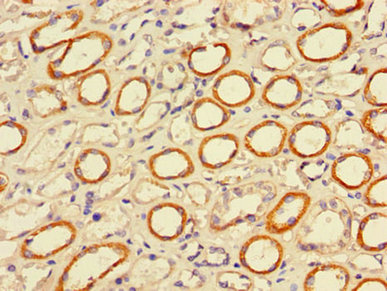
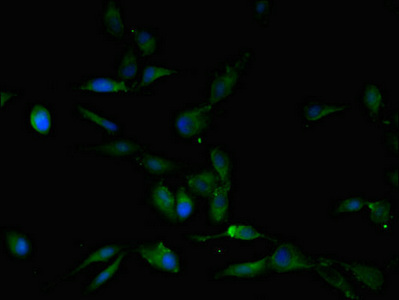
The antibody against PIGP was raised in rabbit using the Recombinant Human Phosphatidylinositol N-acetylglucosaminyltransferase subunit P protein (1-282AA) as the immunogen. This antibody exists as a non-conjugated isotype IgG, purified by protein G with a purity greater than 95%. This antibody has been validated on ELISA, IHC, IF.

ADC-14614A

The antibody against PIGP was raised in rabbit using the Recombinant Human Phosphatidylinositol N-acetylglucosaminyltransferase subunit P protein (1-282AA) as the immunogen. This antibody exists as a non-conjugated isotype IgG, purified by protein G with a purity greater than 95%. This antibody has been validated on ELISA, IHC, IF.

$299.00

Number
Order Exclusive Products Now

Request a Quote
High Purity LevelsPrecision and ReliabilityCustomization Options

Specifications


Cat.No ADC-14614A ClonalityPolyclonal
Host SpeciesRabbitTarget NamePIGP
FormLiquidSpecies ReactivityHuman
IsotypeIgGStorage Buffer0.01M PBS, 0.03% Proclin 300; Constituents: 50% Glycerol, PH 7.4
Purification Method>95%, Protein G purifiedConjugateNon-conjugated
ApplicationELISA, IF, IHCStorageUpon receipt

Immunogen Information


Immunogen DescriptionRecombinant Human Phosphatidylinositol N-acetylglucosaminyltransferase subunit P protein (1-282AA)Target SpeciesHuman
Immunogen SequenceComplete sequences for the immunogen, target protein, and peptides are available upon request.Uniprot IDP57054
Background Information
  • Uniprot Id

    P57054

  • Target Species

    Human

  • Target Name

    PIGP

  • Target Full Name

    Phosphatidylinositol N-acetylglucosaminyltransferase subunit P

  • Target Function

    Part of the glycosylphosphatidylinositol-N-acetylglucosaminyltransferase (GPI-GnT) complex that catalyzes the transfer of N-acetylglucosamine from UDP-N-acetylglucosamine to phosphatidylinositol and participates in the first step of GPI biosynthesis.

  • Target Involvement

    Epileptic encephalopathy, early infantile, 55 (EIEE55)

  • Target Subcellular Location

    Membrane; Multi-pass membrane protein.

  • Target Protein Families

    PIGP family

  • Target Tissue Specificity

    Ubiquitous.

  • Target Synonyms

    PIGP; DCRC; DSCR5; DSCRC; NPD010; Phosphatidylinositol N-acetylglucosaminyltransferase subunit P; Down syndrome critical region protein 5; Down syndrome critical region protein C; Phosphatidylinositol-glycan biosynthesis class P protein; PIG-P

  • Target Background

    This gene encodes an enzyme involved in the first step of glycosylphosphatidylinositol (GPI)-anchor biosynthesis. The GPI-anchor is a glycolipid found on many blood cells that serves to anchor proteins to the cell surface. The encoded protein is a component of the GPI-N-acetylglucosaminyltransferase complex that catalyzes the transfer of N-acetylglucosamine (GlcNAc) from UDP-GlcNAc to phosphatidylinositol (PI). This gene is located in the Down Syndrome critical region on chromosome 21 and is a candidate for the pathogenesis of Down syndrome. This gene has multiple pseudogenes and is a member of the phosphatidylinositol glycan anchor biosynthesis gene family. Alternatively spliced transcript variants encoding different isoforms have been described.

Inquire Rabbit anti-Human PIGP Polyclonal Antibody Now


AbTriva respects your privacy and protects your personal data in accordance with AbTriva. For more information, please see our data protection statement. *

Notification