• Contact info@abtriva.com for inquiries and orders.
  • Chinese (Simplified)

  • English

  • German

  • Korean

  • Spanish

United States (English / $ USD)

Rabbit anti-Human POR Polyclonal Antibody

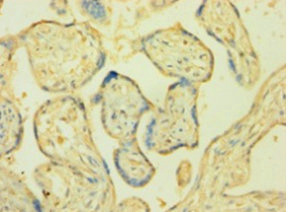
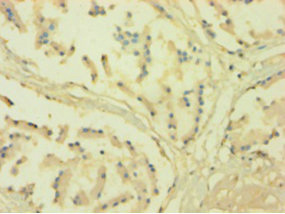
The antibody against POR was raised in rabbit using the Recombinant Human NADPH--cytochrome P450 reductase protein (2-671AA) as the immunogen. This antibody exists as a non-conjugated isotype IgG, purified by protein G with a purity greater than 95%. This antibody has been validated on ELISA, WB, IHC.

ADC-46090A

The antibody against POR was raised in rabbit using the Recombinant Human NADPH–cytochrome P450 reductase protein (2-671AA) as the immunogen. This antibody exists as a non-conjugated isotype IgG, purified by protein G with a purity greater than 95%. This antibody has been validated on ELISA, WB, IHC.

$299.00

Number
Order Exclusive Products Now

Request a Quote
High Purity LevelsPrecision and ReliabilityCustomization Options

Specifications


Cat.No ADC-46090A ClonalityPolyclonal
Host SpeciesRabbitTarget NamePOR
FormLiquidSpecies ReactivityHuman
IsotypeIgGStorage Buffer0.01M PBS, 0.03% Proclin 300; Constituents: 50% Glycerol, PH 7.4
Purification Method>95%, Protein G purifiedConjugateNon-conjugated
ApplicationELISA, IHC, WBStorageUpon receipt

Immunogen Information


Immunogen DescriptionRecombinant Human NADPH--cytochrome P450 reductase protein (2-671AA)Target SpeciesHuman
Immunogen SequenceComplete sequences for the immunogen, target protein, and peptides are available upon request.Uniprot IDP16435
Background Information
  • Uniprot Id

    P16435

  • Target Species

    Human

  • Target Name

    POR

  • Target Full Name

    NADPH--cytochrome P450 reductase

  • Target Function

    This enzyme is required for electron transfer from NADP to cytochrome P450 in microsomes. It can also provide electron transfer to heme oxygenase and cytochrome B5.

  • Target Involvement

    Antley-Bixler syndrome, with genital anomalies and disordered steroidogenesis (ABS1); Disordered steroidogenesis due to cytochrome P450 oxidoreductase deficiency (DISPORD)

  • Target Subcellular Location

    Endoplasmic reticulum membrane; Single-pass membrane protein; Cytoplasmic side.

  • Target Protein Families

    NADPH--cytochrome P450 reductase family; Flavodoxin family; Flavoprotein pyridine nucleotide cytochrome reductase family

  • Target Synonyms

    CPR; CYPOR; Cytochrome p450 oxidoreductase; DKFZp686G04235; FLJ26468; NADPH Cytochrome P450 Reductase; NADPH dependent cytochrome P450 reductase; NADPH--cytochrome P450 reductase; NCPR_HUMAN; P450 (cytochrome) oxidoreductase; P450 Cytochrome Oxidoreductase; P450R; por

  • Target Background

    This gene encodes an endoplasmic reticulum membrane oxidoreductase that is essential for multiple metabolic processes, including reactions catalyzed by cytochrome P450 proteins for metabolism of steroid hormones, drugs and xenobiotics. The encoded protein has a flavin adenine dinucleotide (FAD)-binding domain and a flavodoxin-like domain which bind two cofactors, FAD and FMN, that allow it to donate electrons directly from NADPH to all microsomal P450 enzymes. Mutations in this gene cause a complex set of disorders, including apparent combined P450C17 and P450C21 deficiency, amenorrhea and disordered steroidogenesis, congenital adrenal hyperplasia and Antley-Bixler syndrome, that resemble those caused by defects in steroid metabolizing enzymes such as aromatase, 21-hydroxylase, and 17 alpha-hydroxylase.

Inquire Rabbit anti-Human POR Polyclonal Antibody Now


AbTriva respects your privacy and protects your personal data in accordance with AbTriva. For more information, please see our data protection statement. *

Notification