• Contact info@abtriva.com for inquiries and orders.
  • Chinese (Simplified)

  • English

  • German

  • Korean

  • Spanish

United States (English / $ USD)

Rabbit anti-Human PPIL2 Polyclonal Antibody

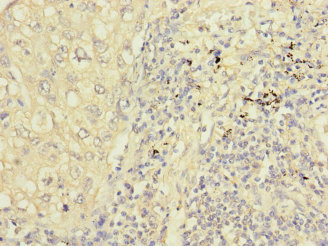
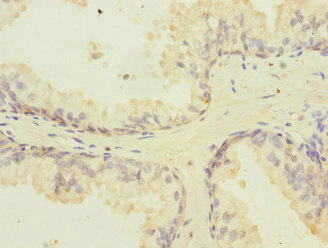
The antibody against PPIL2 was raised in rabbit using the Recombinant Human Peptidyl-prolyl cis-trans isomerase-like 2 protein (1-260AA) as the immunogen. This antibody exists as a non-conjugated isotype IgG, Antigen affinity purified. This antibody has been validated on ELISA, IHC.

ADC-16261A

The antibody against PPIL2 was raised in rabbit using the Recombinant Human Peptidyl-prolyl cis-trans isomerase-like 2 protein (1-260AA) as the immunogen. This antibody exists as a non-conjugated isotype IgG, Antigen affinity purified. This antibody has been validated on ELISA, IHC.

$299.00

Number
Order Exclusive Products Now

Request a Quote
High Purity LevelsPrecision and ReliabilityCustomization Options

Specifications


Cat.No ADC-16261A ClonalityPolyclonal
Host SpeciesRabbitTarget NamePPIL2
FormLiquidSpecies ReactivityHuman
IsotypeIgGStorage Buffer50% Glycerol, PBS with 0.02% sodium azide, pH7.3.
Purification MethodAntigen affinity purifiedConjugateNon-conjugated
ApplicationELISA, IHCStorageUpon receipt

Immunogen Information


Immunogen DescriptionRecombinant Human Peptidyl-prolyl cis-trans isomerase-like 2 protein (1-260AA)Target SpeciesHuman
Immunogen SequenceComplete sequences for the immunogen, target protein, and peptides are available upon request.Uniprot IDQ13356
Background Information
  • Uniprot Id

    Q13356

  • Target Species

    Human

  • Target Name

    PPIL2

  • Target Full Name

    RING-type E3 ubiquitin-protein ligase PPIL2

  • Target Function

    Has a ubiquitin-protein ligase activity acting as an E3 ubiquitin protein ligase or as an ubiquitin-ubiquitin ligase promoting elongation of ubiquitin chains on substrates. By mediating 'Lys-48'-linked polyubiquitination of proteins could target them for proteasomal degradation. May also function as a chaperone, playing a role in transport to the cell membrane of BSG/Basigin for instance. Probable inactive PPIase with no peptidyl-prolyl cis-trans isomerase activity.

  • Target Subcellular Location

    Nucleus.

  • Target Protein Families

    Cyclophilin-type PPIase family, PPIL2 subfamily

  • Target Tissue Specificity

    Highest expression in thymus, pancreas and testis. Also detected in heart, placenta, lung, liver, skeletal muscle, kidney, spleen, prostate, ovary, small intestine and colon. Poorly detected in brain and leukocytes. Strong protein expression in lymph node

  • Target Synonyms

    LJ39930; CYC4; Cyclophilin 60; Cyclophilin 60kDa; Cyclophilin like protein Cyp 60; Cyclophilin-60; Cyclophilin-like protein Cyp-60; CYP60; hCyP 60; MGC33174; MGC787; Peptidyl prolyl cis trans isomerase like 2; Peptidyl-prolyl cis-trans isomerase-like 2; Peptidylprolyl cis trans isomerase; Peptidylprolyl isomerase cyclophilin like 2; PPIase; PPIL2; PPIL2_HUMAN; Rotamase; Rotamase PPIL2

  • Target Background

    This gene is a member of the cyclophilin family of peptidylprolyl isomerases. The cyclophilins are a highly conserved ubiquitous family, members of which play an important role in protein folding, immunosuppression by cyclosporin A, and infection of HIV-1 virions. This protein interacts with the proteinase inhibitor eglin c and is localized in the nucleus. Alternatively spliced transcript variants have been found for this gene.

Inquire Rabbit anti-Human PPIL2 Polyclonal Antibody Now


AbTriva respects your privacy and protects your personal data in accordance with AbTriva. For more information, please see our data protection statement. *

Notification