• Contact info@abtriva.com for inquiries and orders.
  • Chinese (Simplified)

  • English

  • German

  • Korean

  • Spanish

United States (English / $ USD)

Rabbit anti-Human PTPRB Polyclonal Antibody

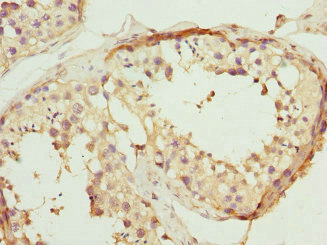
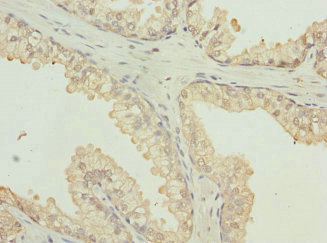
The antibody against PTPRB was raised in rabbit using the Recombinant Human Receptor-type tyrosine-protein phosphatase beta protein (1758-1997AA) as the immunogen. This antibody exists as a non-conjugated isotype IgG, Antigen affinity purified. This antibody has been validated on ELISA, IHC.

ADC-17312A

The antibody against PTPRB was raised in rabbit using the Recombinant Human Receptor-type tyrosine-protein phosphatase beta protein (1758-1997AA) as the immunogen. This antibody exists as a non-conjugated isotype IgG, Antigen affinity purified. This antibody has been validated on ELISA, IHC.

$299.00

Number
Order Exclusive Products Now

Request a Quote
High Purity LevelsPrecision and ReliabilityCustomization Options

Specifications


Cat.No ADC-17312A ClonalityPolyclonal
Host SpeciesRabbitTarget NamePTPRB
FormLiquidSpecies ReactivityHuman
IsotypeIgGStorage Buffer50% Glycerol, PBS with 0.02% sodium azide, pH7.3.
Purification MethodAntigen affinity purifiedConjugateNon-conjugated
ApplicationELISA, IHCStorageUpon receipt

Immunogen Information


Immunogen DescriptionRecombinant Human Receptor-type tyrosine-protein phosphatase beta protein (1758-1997AA)Target SpeciesHuman
Immunogen SequenceComplete sequences for the immunogen, target protein, and peptides are available upon request.Uniprot IDP23467
Background Information
  • Uniprot Id

    P23467

  • Target Species

    Human

  • Target Name

    PTPRB

  • Target Full Name

    Receptor-type tyrosine-protein phosphatase beta

  • Target Function

    Plays an important role in blood vessel remodeling and angiogenesis. Not necessary for the initial formation of blood vessels, but is essential for their maintenance and remodeling. Can induce dephosphorylation of TEK/TIE2, CDH5/VE-cadherin and KDR/VEGFR-2. Regulates angiopoietin-TIE2 signaling in endothelial cells. Acts as a negative regulator of TIE2, and controls TIE2 driven endothelial cell proliferation, which in turn affects blood vessel remodeling during embryonic development and determines blood vessel size during perinatal growth. Essential for the maintenance of endothelial cell contact integrity and for the adhesive function of VE-cadherin in endothelial cells and this requires the presence of plakoglobin.

  • Target Subcellular Location

    Membrane; Single-pass type I membrane protein.

  • Target Protein Families

    Protein-tyrosine phosphatase family, Receptor class 3 subfamily

  • Target Research Area

    Signal Transduction

  • Target Synonyms

    HPTP BETA; HPTPB; Phosphacan receptor type B; Protein tyrosine phosphatase receptor type B; Protein-tyrosine phosphatase beta; PTPB; Ptprb; PTPRB_HUMAN; R PTP BETA; R-PTP-beta; Receptor-type tyrosine-protein phosphatase beta; RPTPB; Vascular endothelial protein tyrosine phosphatase; VE-PTP

  • Target Background

    The protein encoded by this gene is a member of the protein tyrosine phosphatase (PTP) family. PTPs are known to be signaling molecules that regulate a variety of cellular processes including cell growth, differentiation, mitotic cycle, and oncogenic transformation. This PTP contains an extracellular domain, a single transmembrane segment and one intracytoplasmic catalytic domain, thus belongs to receptor type PTP. The extracellular region of this PTP is composed of multiple fibronectin type_III repeats, which was shown to interact with neuronal receptor and cell adhesion molecules, such as contactin and tenascin C. This protein was also found to interact with sodium channels, and thus may regulate sodium channels by altering tyrosine phosphorylation status. The functions of the interaction partners of this protein implicate the roles of this PTP in cell adhesion, neurite growth, and neuronal differentiation. Alternate transcript variants encoding different isoforms have been found for this gene.

Inquire Rabbit anti-Human PTPRB Polyclonal Antibody Now


AbTriva respects your privacy and protects your personal data in accordance with AbTriva. For more information, please see our data protection statement. *

Notification