• Contact info@abtriva.com for inquiries and orders.
  • Chinese (Simplified)

  • English

  • German

  • Korean

  • Spanish

United States (English / $ USD)

Rabbit anti-Human SIRPA Polyclonal Antibody

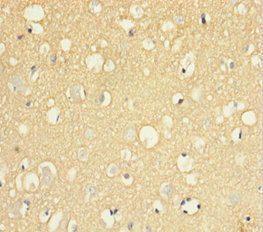
The antibody against SIRPA was raised in rabbit using the Recombinant Human Tyrosine-protein phosphatase non-receptor type substrate 1 protein (31-373AA) as the immunogen. This antibody exists as a non-conjugated isotype IgG, purified by protein G with a purity greater than 95%. This antibody has been validated on ELISA, IHC, IF.

ADC-40439A

The antibody against SIRPA was raised in rabbit using the Recombinant Human Tyrosine-protein phosphatase non-receptor type substrate 1 protein (31-373AA) as the immunogen. This antibody exists as a non-conjugated isotype IgG, purified by protein G with a purity greater than 95%. This antibody has been validated on ELISA, IHC, IF.

$299.00

Number
Order Exclusive Products Now

Request a Quote
High Purity LevelsPrecision and ReliabilityCustomization Options

Specifications


Cat.No ADC-40439A ClonalityPolyclonal
Host SpeciesRabbitTarget NameSIRPA
FormLiquidSpecies ReactivityHuman
IsotypeIgGStorage Buffer0.01M PBS, 0.03% Proclin 300; Constituents: 50% Glycerol, PH 7.4
Purification Method>95%, Protein G purifiedConjugateNon-conjugated
ApplicationELISA, IF, IHCStorageUpon receipt

Immunogen Information


Immunogen DescriptionRecombinant Human Tyrosine-protein phosphatase non-receptor type substrate 1 protein (31-373AA)Target SpeciesHuman
Immunogen SequenceComplete sequences for the immunogen, target protein, and peptides are available upon request.Uniprot IDP78324
Background Information
  • Uniprot Id

    P78324

  • Target Species

    Human

  • Target Name

    SIRPA

  • Target Full Name

    Tyrosine-protein phosphatase non-receptor type substrate 1

  • Target Function

    Immunoglobulin-like cell surface receptor for CD47. Acts as docking protein and induces translocation of PTPN6, PTPN11 and other binding partners from the cytosol to the plasma membrane. Supports adhesion of cerebellar neurons, neurite outgrowth and glial cell attachment. May play a key role in intracellular signaling during synaptogenesis and in synaptic function. Involved in the negative regulation of receptor tyrosine kinase-coupled cellular responses induced by cell adhesion, growth factors or insulin. Mediates negative regulation of phagocytosis, mast cell activation and dendritic cell activation. CD47 binding prevents maturation of immature dendritic cells and inhibits cytokine production by mature dendritic cells.

  • Target Subcellular Location

    Membrane; Single-pass type I membrane protein.

  • Target Tissue Specificity

    Ubiquitous. Highly expressed in brain. Detected on myeloid cells, but not T-cells. Detected at lower levels in heart, placenta, lung, testis, ovary, colon, liver, small intestine, prostate, spleen, kidney, skeletal muscle and pancreas.

  • Target Research Area

    Cardiovascular

  • Target Synonyms

    Signal regulatory protein alpha type 1; Bit; Brain Ig like molecule with tyrosine based activation motifs; Brain Ig-like molecule with tyrosine-based activation motifs; Brain immunoglobulin like molecule with tyrosine based activation motifs; CD172 antigen like family member A; CD172 antigen-like family member A; CD172a; CD172a antigen; Inhibitory receptor SHPS-1; Macrophage fusion receptor; MFR; MYD 1; Myd 1 antigen; MyD-1 antigen; p84; Protein tyrosine phosphatase non receptor type substrate 1; PTPNS1; SHP substrate 1; SHPS-1; SHPS1; SHPS1_HUMAN; Signal regulatory protein alpha 2; Signal regulatory protein alpha 3; Signal regulatory protein alpha; Signal regulatory protein alpha type 2; Signal-regulatory protein alpha-1; Signal-regulatory protein alpha-2; Signal-regulatory protein alpha-3; SIRP; Sirp-alpha-1; Sirp-alpha-2; Sirp-alpha-3; SIRPA; SIRPalpha; SIRPalpha1; SIRPalpha2; SIRPalpha3; Tyrosine phosphatase SHP substrate 1; Tyrosine protein phosphatase non receptor type substrate 1; Tyrosine-protein phosphatase non-receptor type substrate 1

  • Target Background

    The protein encoded by this gene is a member of the signal-regulatory-protein (SIRP) family, and also belongs to the immunoglobulin superfamily. SIRP family members are receptor-type transmembrane glycoproteins known to be involved in the negative regulation of receptor tyrosine kinase-coupled signaling processes. This protein can be phosphorylated by tyrosine kinases. The phospho-tyrosine residues of this PTP have been shown to recruit SH2 domain containing tyrosine phosphatases (PTP), and serve as substrates of PTPs. This protein was found to participate in signal transduction mediated by various growth factor receptors. CD47 has been demonstrated to be a ligand for this receptor protein. This gene and its product share very high similarity with several other members of the SIRP family. These related genes are located in close proximity to each other on chromosome 20p13. Multiple alternatively spliced transcript variants have been determined for this gene.

Inquire Rabbit anti-Human SIRPA Polyclonal Antibody Now


AbTriva respects your privacy and protects your personal data in accordance with AbTriva. For more information, please see our data protection statement. *

Notification