• Contact info@abtriva.com for inquiries and orders.
  • Chinese (Simplified)

  • English

  • German

  • Korean

  • Spanish

United States (English / $ USD)

Rabbit anti-Human SOCS7 Polyclonal Antibody

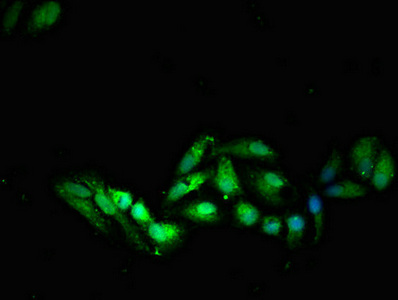
The antibody against SOCS7 was raised in rabbit using the Recombinant Human Suppressor of cytokine signaling 7 protein (6-165AA) as the immunogen. This antibody exists as a non-conjugated isotype IgG, purified by protein G with a purity greater than 95%. This antibody has been validated on ELISA, WB, IF.

ADC-10763A

The antibody against SOCS7 was raised in rabbit using the Recombinant Human Suppressor of cytokine signaling 7 protein (6-165AA) as the immunogen. This antibody exists as a non-conjugated isotype IgG, purified by protein G with a purity greater than 95%. This antibody has been validated on ELISA, WB, IF.

$299.00

Number
Order Exclusive Products Now

Request a Quote
High Purity LevelsPrecision and ReliabilityCustomization Options

Specifications


Cat.No ADC-10763A ClonalityPolyclonal
Host SpeciesRabbitTarget NameSOCS7
FormLiquidSpecies ReactivityHuman, Rat
IsotypeIgGStorage Buffer0.01M PBS, 0.03% Proclin 300; Constituents: 50% Glycerol, PH 7.4
Purification Method>95%, Protein G purifiedConjugateNon-conjugated
ApplicationELISA, IF, WBStorageUpon receipt

Immunogen Information


Immunogen DescriptionRecombinant Human Suppressor of cytokine signaling 7 protein (6-165AA)Target SpeciesHuman
Immunogen SequenceComplete sequences for the immunogen, target protein, and peptides are available upon request.Uniprot IDO14512
Background Information
  • Uniprot Id

    O14512

  • Target Species

    Human

  • Target Name

    SOCS7

  • Target Full Name

    Suppressor of cytokine signaling 7

  • Target Function

    Regulates signaling cascades probably through protein ubiquitination and/or sequestration. Functions in insulin signaling and glucose homeostasis through IRS1 ubiquitination and subsequent proteasomal degradation. Inhibits also prolactin, growth hormone and leptin signaling by preventing STAT3 and STAT5 activation, sequestering them in the cytoplasm and reducing their binding to DNA. May be a substrate recognition component of a SCF-like E3 ubiquitin-protein ligase complex which mediates the ubiquitination and subsequent proteasomal degradation of target proteins.

  • Target Subcellular Location

    Cytoplasm. Cell membrane; Peripheral membrane protein; Cytoplasmic side. Nucleus. Note=Mostly cytoplasmic, but shuttles between the cytoplasm and the nucleus. Rapidly relocalizes to the nucleus after UV irradiation. Cytoplasmic location depends upon SEPT7 presence.

  • Target Tissue Specificity

    Expressed in brain and leukocytes. Also in fetal lung fibroblasts and fetal brain.

  • Target Synonyms

    Ash and phospholipase C gamma-binding protein; NAP 4; NAP 4 Fragment; NAP-4; NAP4; Nck; Nck Ash and phospholipase C binding protein; Nck Ash and phospholipase C gamma binding protein; Nck associated protein 4; Nck-associated protein 4; NCKAP4; SH2 domain containing SOCS box protein; SOCS 7; SOCS-7; SOCS4; SOCS6; Socs7; SOCS7_HUMAN; Suppressor of cytokine signaling 7

  • Target Background

    Predicted to enable 1-phosphatidylinositol-3-kinase regulator activity. Predicted to be involved in phosphatidylinositol phosphate biosynthetic process. Predicted to act upstream of or within several processes, including brain development; fat cell differentiation; and insulin receptor signaling pathway. Located in cytosol.

Inquire Rabbit anti-Human SOCS7 Polyclonal Antibody Now


AbTriva respects your privacy and protects your personal data in accordance with AbTriva. For more information, please see our data protection statement. *

Notification