• Contact info@abtriva.com for inquiries and orders.
  • Chinese (Simplified)

  • English

  • German

  • Korean

  • Spanish

United States (English / $ USD)

Rabbit anti-Human TUSC3 Polyclonal Antibody

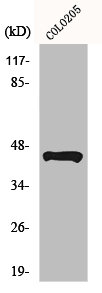
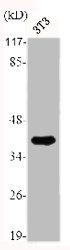
The antibody against TUSC3 was raised in rabbit using the Synthesized peptide derived from the Internal region of Human N33. as the immunogen. This antibody exists as a non-conjugated isotype IgG. The antibody was affinity-purified from rabbit antiserum by affinity-chromatography using epitope-specific immunogen. This antibody has been validated on WB, IHC, IF, ELISA.

ADC-38148A

The antibody against TUSC3 was raised in rabbit using the Synthesized peptide derived from the Internal region of Human N33. as the immunogen. This antibody exists as a non-conjugated isotype IgG. The antibody was affinity-purified from rabbit antiserum by affinity-chromatography using epitope-specific immunogen. This antibody has been validated on WB, IHC, IF, ELISA.

$167.00

Number
Order Exclusive Products Now

Request a Quote
High Purity LevelsPrecision and ReliabilityCustomization Options

Specifications


Cat.No ADC-38148A ClonalityPolyclonal
Host SpeciesRabbitTarget NameTUSC3
FormLiquidSpecies ReactivityHuman, Mouse, Rat
IsotypeIgGStorage Buffer0.5% BSA and 0.02% sodium azide., Liquid in PBS containing 50% glycerol
Purification MethodThe antibody was affinity-purified from rabbit antiserum by affinity-chromatography using epitope-specific immunogen.ConjugateNon-conjugated
ApplicationELISA, IF, IHC, WBStorageUpon receipt

Immunogen Information


Immunogen DescriptionSynthesized peptide derived from the Internal region of Human N33.Target SpeciesHuman
Immunogen SequenceComplete sequences for the immunogen, target protein, and peptides are available upon request.Uniprot IDQ13454
Background Information
  • Uniprot Id

    Q13454

  • Target Species

    Human

  • Target Name

    TUSC3

  • Target Full Name

    Dolichyl-diphosphooligosaccharide--protein glycosyltransferase subunit TUSC3

  • Target Function

    Acts as accessory component of the N-oligosaccharyl transferase (OST) complex which catalyzes the transfer of a high mannose oligosaccharide from a lipid-linked oligosaccharide donor to an asparagine residue within an Asn-X-Ser/Thr consensus motif in nascent polypeptide chains. Involved in N-glycosylation of STT3B-dependent substrates. Specifically required for the glycosylation of a subset of acceptor sites that are near cysteine residues; in this function seems to act redundantly with MAGT1. In its oxidized form proposed to form transient mixed disulfides with a glycoprotein substrate to facilitate access of STT3B to the unmodified acceptor site. Has also oxidoreductase-independent functions in the STT3B-containing OST complex possibly involving substrate recognition.; Magnesium transporter.

  • Target Involvement

    Mental retardation, autosomal recessive 7 (MRT7)

  • Target Subcellular Location

    Endoplasmic reticulum membrane; Multi-pass membrane protein.

  • Target Protein Families

    OST3/OST6 family

  • Target Tissue Specificity

    Expressed in most non-lymphoid cells and tissues examined, including prostate, lung, liver, colon, heart, kidney and pancreas.

  • Target Synonyms

    TUSC3; N33; Tumor suppressor candidate 3; Dolichyl-diphosphooligosaccharide--protein glycosyltransferase subunit TUSC3; Oligosaccharyl transferase subunit TUSC3; Magnesium uptake/transporter TUSC3; Protein N33

  • Target Background

    This gene encodes a protein that has been associated with several biological functions including cellular magnesium uptake, protein glycosylation and embryonic development. This protein localizes to the endoplasmic reticulum and acts as a component of the oligosaccharyl transferase complex which is responsible for N-linked protein glycosylation. This gene is a candidate tumor suppressor gene. Homozygous mutations in this gene are associated with autosomal recessive nonsyndromic mental retardation-7 and in the proliferation and invasiveness of several cancers including metastatic pancreatic cancer, ovarian cancer and glioblastoma multiform.

Inquire Rabbit anti-Human TUSC3 Polyclonal Antibody Now


AbTriva respects your privacy and protects your personal data in accordance with AbTriva. For more information, please see our data protection statement. *

Notification