• Contact info@abtriva.com for inquiries and orders.
  • Chinese (Simplified)

  • English

  • German

  • Korean

  • Spanish

United States (English / $ USD)

Rabbit anti-Human TWIST2 Polyclonal Antibody

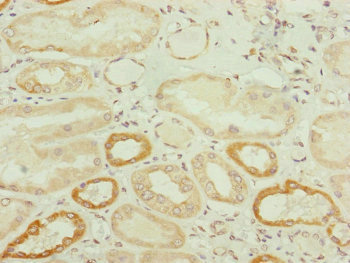
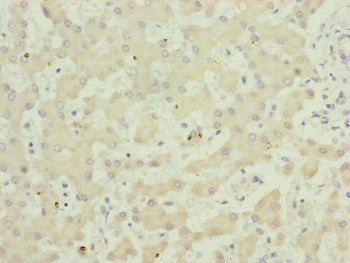
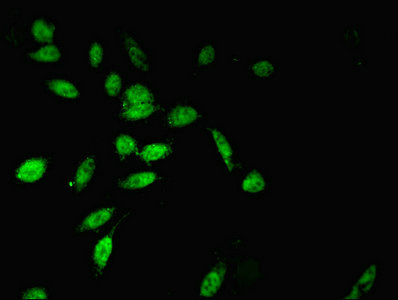
The antibody against TWIST2 was raised in rabbit using the Recombinant Human Twist-related protein 2 protein (1-70AA) as the immunogen. This antibody exists as a non-conjugated isotype IgG, Antigen affinity purified. This antibody has been validated on ELISA, IHC, IF.

ADC-16679A

The antibody against TWIST2 was raised in rabbit using the Recombinant Human Twist-related protein 2 protein (1-70AA) as the immunogen. This antibody exists as a non-conjugated isotype IgG, Antigen affinity purified. This antibody has been validated on ELISA, IHC, IF.

$299.00

Number
Order Exclusive Products Now

Request a Quote
High Purity LevelsPrecision and ReliabilityCustomization Options

Specifications


Cat.No ADC-16679A ClonalityPolyclonal
Host SpeciesRabbitTarget NameTWIST2
FormLiquidSpecies ReactivityHuman
IsotypeIgGStorage Buffer50% Glycerol, PBS with 0.02% sodium azide, pH7.3.
Purification MethodAntigen affinity purifiedConjugateNon-conjugated
ApplicationELISA, IF, IHCStorageUpon receipt

Immunogen Information


Immunogen DescriptionRecombinant Human Twist-related protein 2 protein (1-70AA)Target SpeciesHuman
Immunogen SequenceComplete sequences for the immunogen, target protein, and peptides are available upon request.Uniprot IDQ8WVJ9
Background Information
  • Uniprot Id

    Q8WVJ9

  • Target Species

    Human

  • Target Name

    TWIST2

  • Target Full Name

    Twist-related protein 2

  • Target Function

    Binds to the E-box consensus sequence 5'-CANNTG-3' as a heterodimer and inhibits transcriptional activation by MYOD1, MYOG, MEF2A and MEF2C. Also represses expression of proinflammatory cytokines such as TNFA and IL1B. Involved in postnatal glycogen storage and energy metabolism. Inhibits the premature or ectopic differentiation of preosteoblast cells during osteogenesis, possibly by changing the internal signal transduction response of osteoblasts to external growth factors.

  • Target Involvement

    Focal facial dermal dysplasia 3, Setleis type (FFDD3); Ablepharon-macrostomia syndrome (AMS); Barber-Say syndrome (BBRSAY)

  • Target Subcellular Location

    Nucleus. Cytoplasm. Note=Mainly nuclear during embryonic development. Cytoplasmic in adult tissues.

  • Target Tissue Specificity

    In the embryo, highly expressed in chondrogenic cells. In embryonic skin, expressed in the undifferentiated mesenchymal layer beneath the epidermis which later develops into the dermis. Expressed in early myeloid cells but not in lymphoid cells in the liv

  • Target Synonyms

    bHLHa39; Class A basic helix-loop-helix protein 39; Dermis expressed protein 1; Dermis-expressed protein 1; DERMO 1; Dermo-1; DERMO1; MGC117334; Twist 2; Twist homolog 2 (Drosophila); Twist homolog 2; Twist related bHLH protein Dermo1; Twist related protein 2; Twist-related protein 2; Twist2; TWST2_HUMAN

  • Target Background

    The protein encoded by this gene is a basic helix-loop-helix type transcription factor and shares similarity with Twist. This protein may inhibit osteoblast maturation and maintain cells in a preosteoblast phenotype during osteoblast development. This gene may be upregulated in certain cancers. Mutations in this gene cause focal facial dermal dysplasia 3, Setleis type. Two transcript variants encoding the same protein have been found.

Inquire Rabbit anti-Human TWIST2 Polyclonal Antibody Now


AbTriva respects your privacy and protects your personal data in accordance with AbTriva. For more information, please see our data protection statement. *

Notification