• Contact info@abtriva.com for inquiries and orders.
  • Chinese (Simplified)

  • English

  • German

  • Korean

  • Spanish

United States (English / $ USD)

Rabbit anti-Human UQCR10 Polyclonal Antibody

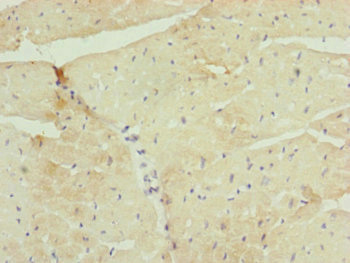
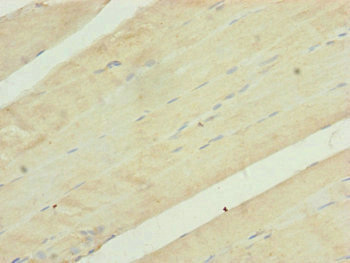
The antibody against UQCR10 was raised in rabbit using the Recombinant Human Cytochrome b-c1 complex subunit 9 protein (1-63AA) as the immunogen. This antibody exists as a non-conjugated isotype IgG, Antigen affinity purified. This antibody has been validated on ELISA, IHC.

ADC-16583A

The antibody against UQCR10 was raised in rabbit using the Recombinant Human Cytochrome b-c1 complex subunit 9 protein (1-63AA) as the immunogen. This antibody exists as a non-conjugated isotype IgG, Antigen affinity purified. This antibody has been validated on ELISA, IHC.

$299.00

Number
Order Exclusive Products Now

Request a Quote
High Purity LevelsPrecision and ReliabilityCustomization Options

Specifications


Cat.No ADC-16583A ClonalityPolyclonal
Host SpeciesRabbitTarget NameUQCR10
FormLiquidSpecies ReactivityHuman
IsotypeIgGStorage Buffer50% Glycerol, PBS with 0.02% sodium azide, pH7.3.
Purification MethodAntigen affinity purifiedConjugateNon-conjugated
ApplicationELISA, IHCStorageUpon receipt

Immunogen Information


Immunogen DescriptionRecombinant Human Cytochrome b-c1 complex subunit 9 protein (1-63AA)Target SpeciesHuman
Immunogen SequenceComplete sequences for the immunogen, target protein, and peptides are available upon request.Uniprot IDQ9UDW1
Background Information
  • Uniprot Id

    Q9UDW1

  • Target Species

    Human

  • Target Name

    UQCR10

  • Target Full Name

    Cytochrome b-c1 complex subunit 9

  • Target Function

    Component of the ubiquinol-cytochrome c oxidoreductase, a multisubunit transmembrane complex that is part of the mitochondrial electron transport chain which drives oxidative phosphorylation. The respiratory chain contains 3 multisubunit complexes succinate dehydrogenase (complex II, CII), ubiquinol-cytochrome c oxidoreductase (cytochrome b-c1 complex, complex III, CIII) and cytochrome c oxidase (complex IV, CIV), that cooperate to transfer electrons derived from NADH and succinate to molecular oxygen, creating an electrochemical gradient over the inner membrane that drives transmembrane transport and the ATP synthase. The cytochrome b-c1 complex catalyzes electron transfer from ubiquinol to cytochrome c, linking this redox reaction to translocation of protons across the mitochondrial inner membrane, with protons being carried across the membrane as hydrogens on the quinol. In the process called Q cycle, 2 protons are consumed from the matrix, 4 protons are released into the intermembrane space and 2 electrons are passed to cytochrome c.

  • Target Subcellular Location

    Mitochondrion inner membrane; Single-pass membrane protein.

  • Target Protein Families

    UQCR10/QCR9 family

  • Target Research Area

    Tags & Cell Markers

  • Target Synonyms

    UQCR10; UCRC; HSPC119; Cytochrome b-c1 complex subunit 9; Complex III subunit 9; Complex III subunit X; Cytochrome c1 non-heme 7 kDa protein; Ubiquinol-cytochrome c reductase complex 7.2 kDa protein

  • Target Background

    UCRC is a subunit of mitochondrial complex III (ubiquinol-cytochrome c reductase; EC 1.10.2.2), which forms the middle segment of the respiratory chain of the inner mitochondrial membrane (Schagger et al., 1995 [PubMed 8592474]).

Inquire Rabbit anti-Human UQCR10 Polyclonal Antibody Now


AbTriva respects your privacy and protects your personal data in accordance with AbTriva. For more information, please see our data protection statement. *

Notification