• Contact info@abtriva.com for inquiries and orders.
  • Chinese (Simplified)

  • English

  • German

  • Korean

  • Spanish

United States (English / $ USD)

Rabbit anti-Mouse CD274/PD-L1 Monoclonal Antibody

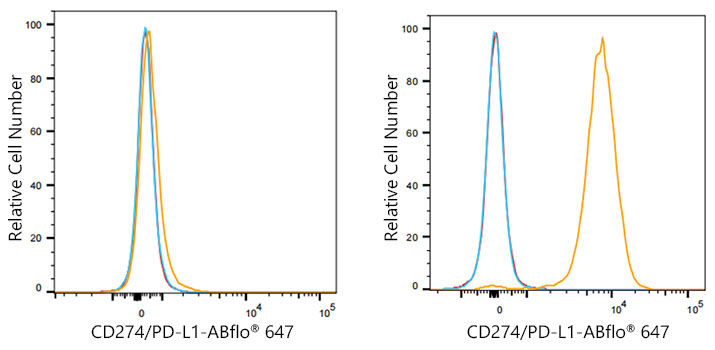
The antibody against CD274/PD-L1 was raised in Rabbit using the recombinant fusion protein containing a sequence corresponding to amino acids 19-235 of mouse CD274/PD-L1(NP_068693.1) as the immunogen. The monoclonal antibody exists as a isotype IgG, by affinity purification. This antibody has been validated on FC, ELISA.

ADA-15518A

The antibody against CD274/PD-L1 was raised in Rabbit using the recombinant fusion protein containing a sequence corresponding to amino acids 19-235 of mouse CD274/PD-L1(NP_068693.1) as the immunogen. The monoclonal antibody exists as a isotype IgG, by affinity purification. This antibody has been validated on FC, ELISA.

Number
Order Exclusive Products Now

Request a Quote
High Purity LevelsPrecision and ReliabilityCustomization Options

Specifications


Cat.No ADA-15518A ClonalityMonoclonal
Host SpeciesRabbitTarget NameCD274/PD-L1
Target SynonymsB7h1; Pdl1; Pdcd1l1; Pdcd1lg1; A530045L16Rik; CD274/PD-L1FormLiquid
Species ReactivityMouseIsotypeIgG
Storage Buffer50% Glycerol, 0.05% BSA, PBS with 0.05% proclin300, pH7.3.Purification MethodAffinity purification
ApplicationELISA, FC

Immunogen Information


Immunogen DescriptionRecombinant fusion protein containing a sequence corresponding to amino acids 19-235 of mouse CD274/PD-L1(NP_068693.1).Target SpeciesMouse
Uniprot IDQ9EP73Immunogen Sequence
Background Information
  • Uniprot Id

    Q9EP73

  • Target Synonyms

    B7h1; Pdl1; Pdcd1l1; Pdcd1lg1; A530045L16Rik; 74

  • Target Background

    The protein encoded by this gene is an immune inhibitory receptor ligand that is expressed by hematopoietic and non-hematopoietic cells, such as T cells and B cells and various types of tumor cells. The encoded protein is a type I transmembrane protein that has immunoglobulin V-like and C-like domains. Interaction of this ligand with its receptor inhibits T-cell activation and cytokine production. During infection or inflammation of normal tissue, this interaction is important for preventing autoimmunity by maintaining homeostasis of the immune response. In tumor microenvironments, this interaction provides an immune escape for tumor cells through cytotoxic T-cell inactivation. Mice deficient for this gene display a variety of phenotypes including decreased allogeneic fetal survival rates and severe experimental autoimmune encephalomyelitis.

Inquire Rabbit anti-Mouse CD274/PD-L1 Monoclonal Antibody Now


AbTriva respects your privacy and protects your personal data in accordance with AbTriva. For more information, please see our data protection statement. *

Notification